Can a Period Underwear Manufacturer Offer Flexible Customization?
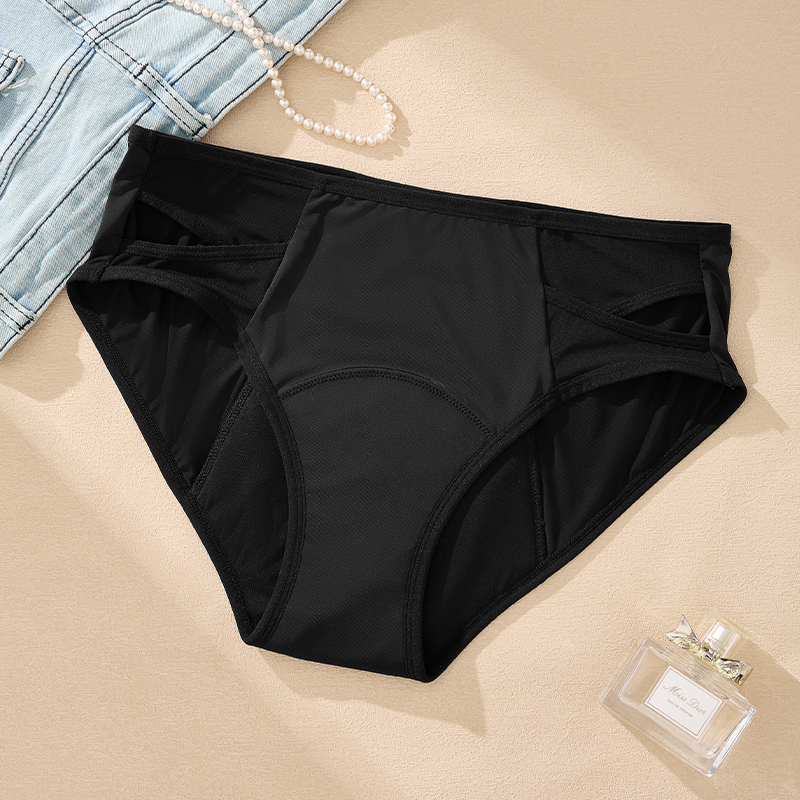
A period underwear manufacturer can provide flexible customization through changes in absorbent layers, fabrics, patterns, sizing, branding, and packaging. Many suppliers support OEM programs with options such as 3–5 layer gussets, custom waistbands, multiple absorbency levels, and size ranges from XS to 6XL. Product development often requires 2–5 sampling rounds, depending on design changes. Brands can reduce risk by selecting manufacturers that combine material sourcing, pattern development, quality testing, and small-batch production support.
Period underwear customization has expanded as brands enter different markets with specific customer needs. A manufacturer may need to adjust the garment structure for teenagers, adults, overnight protection, active lifestyles, postpartum use, or everyday backup protection. According to textile development practices used since the early 2000s, absorbent underwear commonly relies on several functional layers working together instead of a single fabric solution.
A period underwear product usually combines moisture-wicking fabric, absorbent textiles, and a leak-resistant layer. In many commercial designs, the gusset area contains 3 to 5 layers, with each layer serving a different purpose.
The customization process starts with the garment structure because small pattern changes affect comfort and performance. A brand may request a high-rise brief with a longer back coverage area, while another brand may need a thinner bikini style for daily wear. A professional period underwear manufacturer can modify patterns, material combinations, and production specifications according to the target market.
| Custom area | Common options |
|---|---|
| Absorbency | Light, medium, heavy, overnight |
| Fabric | Cotton blends, modal, bamboo viscose, microfiber, nylon blends |
| Size range | XS–6XL depending on production capability |
| Branding | Labels, waistband logos, packaging, printed materials |
Fabric selection influences softness, stretch recovery, drying speed, and washing performance. A manufacturer may test fabrics after 30–50 washing cycles because period underwear is expected to maintain shape and absorbency over repeated use. A fabric that performs well in a new garment may behave differently after long-term washing, especially when elastic recovery decreases.
In product testing programs, brands often evaluate leakage resistance, moisture movement, drying time, and dimensional changes after repeated laundering rather than only checking the appearance of a new sample.
Absorbency customization requires more technical adjustment than changing colors or labels. A light-flow product may use a thinner absorbent structure, while an overnight product usually needs a larger protection area and higher liquid capacity. Some brands develop collections with 3 absorbency levels using the same basic silhouette but different gusset constructions.
A manufacturer may adjust:
-
Absorbent material quantity
-
Layer thickness
-
Gusset length and width
-
Waterproof membrane placement
-
Stitching method
-
Fabric combination
These changes influence production cost and minimum order quantity. For example, adding a custom absorbent layer may require a separate material order, while changing packaging usually requires less production adjustment. A flexible supplier helps brands decide which changes improve the product and which changes only increase complexity.
OEM and ODM production models also affect customization options. OEM projects usually involve more brand control because the buyer provides specifications, technical drawings, or product requirements. ODM programs allow brands to start from existing factory designs and modify selected elements.
Since 2015, many emerging apparel brands have used ODM approaches to reduce development time. A standard product base can often be customized with new colors, labels, packaging, and selected construction changes before moving into full OEM development.
A first collection may require fewer custom components, while later production runs can introduce exclusive fabrics, custom trims, and new patterns after sales data becomes available.
Minimum order quantity is another factor when discussing flexible manufacturing. A supplier may accept smaller orders for existing designs but require higher quantities for exclusive materials. For example, a factory may produce 500 units using available fabrics but require several thousand meters of custom-dyed fabric for a new color.
Brands should evaluate both garment MOQ and material MOQ before starting development.
| Production element | Typical requirement difference |
|---|---|
| Existing fabric | Lower quantity possible |
| Custom dyed fabric | Higher fabric minimum |
| Custom elastic | Additional supplier requirement |
| New pattern | Sampling and approval process |
Sizing is another area where manufacturers provide different levels of support. Expanding from a narrow size range to an inclusive collection requires more than increasing measurements. Pattern grading must consider hip proportions, waist tension, leg openings, and gusset placement.
A brand offering sizes XS to 6XL may manage more than 70 individual SKU combinations when several colors and absorbency levels are included. Production planning becomes more detailed because each size requires accurate cutting, sewing, inspection, and packaging.
Size expansion programs often require multiple fitting samples because body proportions change differently across size groups.
Color and branding customization are usually easier than structural modifications. Many manufacturers provide stock colors for smaller orders and custom dye options for larger programs. Brands may also request jacquard waistbands, printed labels, embroidery, or customized packaging.
However, each additional custom component affects production timing. A custom waistband may require a separate supplier, while custom packaging may require different printing schedules. Production planning should consider the entire supply chain instead of only the final garment.
Quality control becomes more detailed as customization increases. A customized period underwear collection may require checks for:
-
Measurement accuracy
-
Absorbent layer position
-
Fabric composition
-
Color consistency
-
Stitch quality
-
Elastic strength
-
Packaging information
Manufacturers often compare bulk production samples with approved development samples before shipment. Some brands also request third-party testing for material safety, absorbency performance, and product durability depending on their sales market.
A consistent specification sheet helps factories maintain the same construction, measurements, and materials across repeated production orders.
Flexible customization also depends on communication between brands and manufacturers. A supplier should understand whether the brand prioritizes thinness, maximum absorbency, premium fabrics, affordable pricing, or fast market launch. Different priorities require different manufacturing choices.
For example, a premium brand may select modal fabric and custom packaging, while a practical everyday brand may focus on washable durability and competitive pricing. Both products can succeed when the manufacturing plan matches the intended customer group.
The development timeline varies according to customization level. A simple private-label order may move into production within several weeks, while a fully customized design may require several months. A typical development process includes:
-
Design discussion
-
Material selection
-
Prototype sample
-
Fit adjustment
-
Final approval
-
Bulk production
Many manufacturers have improved their development systems since the growth of reusable menstrual products after 2020. Brands now commonly request smaller initial runs, faster sampling, and flexible product updates instead of committing to large quantities immediately.
Smaller production testing allows brands to evaluate customer response before expanding colors, sizes, or absorbency options.
A capable period underwear supplier should provide more than manufacturing space. The supplier should understand fabric behavior, absorbent construction, garment engineering, and production control. These factors determine whether customization creates a reliable product that customers can use repeatedly.
Flexible customization does not require changing every component. Many successful collections combine standard manufacturing elements with selected customized features. A brand may keep an existing fabric system while developing a unique silhouette, or use a proven pattern with custom branding and packaging.
The best customization approach depends on product goals, order quantity, market position, and available development resources. Manufacturers with experience in materials, testing, and production management can help brands create products that meet customer expectations while maintaining consistent manufacturing standards.